1. પરિચય
This manual provides comprehensive instructions for the installation, operation, maintenance, and troubleshooting of your PowMr M25A-12V/24V 25A MPPT Solar Charge Controller. This device is designed to efficiently manage power flow from your solar panels to your 12V or 24V battery system, supporting various battery types including lead-acid and lithium batteries.

Figure 1: PowMr M25A-12V/24V 25A MPPT Solar Charge Controller. This image shows the front view of the solar charge controller with its LCD screen and four control buttons.
2. સલામતી સૂચનાઓ
- ઇન્સ્ટોલેશન અને ઑપરેશન પહેલાં બધી સૂચનાઓ કાળજીપૂર્વક વાંચો.
- Ensure all power sources are disconnected before wiring to prevent electric shock.
- ઇન્સ્ટોલેશન દરમિયાન યોગ્ય સાધનોનો ઉપયોગ કરો અને રક્ષણાત્મક ગિયર પહેરો.
- Install the controller in a well-ventilated, dry environment, away from flammable materials.
- Ensure correct polarity when connecting batteries and solar panels. Incorrect wiring can damage the controller and other components.
- Do not disassemble or attempt to repair the controller yourself. Contact qualified personnel for service.
- The controller is designed for 12V/24V battery systems. Do not connect to other voltage સિસ્ટમો.

Figure 2: Intelligent Protection Features. This image illustrates the nine built-in electronic protections of the PowMr solar controller, including over-discharging, overcharging, overload, short circuit, reverse current, temperature compensation, and reverse polarity protection.
3. સેટઅપ અને ઇન્સ્ટોલેશન
Follow these steps for proper installation of your solar charge controller. Adhering to the correct connection sequence is crucial for system safety and functionality.
3.1. તૈયારી
- સૌર પેનલ: Ensure your solar panel's voltage and power output are compatible with the controller and battery system.
- બેટરી: Use a compatible battery type (e.g., AGM, Gel, Flooded, Lithium) for your 12V or 24V system.
- કેબલ્સ: Use appropriately sized cables to minimize power loss and prevent overheating. Ensure proper fusing for all connections.
3.2. Wiring Sequence
The correct wiring order is essential. Always connect the battery first, then the solar panels, and finally the load (if applicable).
- Connect the Battery to the Controller:
First, connect the positive (+) terminal of the battery to the battery positive (+) terminal on the charge controller. Then, connect the negative (-) terminal of the battery to the battery negative (-) terminal on the charge controller. Ensure correct polarity. The controller's display should illuminate, indicating a successful battery connection.
- Connect the Solar Panels to the Controller:
Connect the positive (+) lead from your solar panel array to the PV positive (+) terminal on the charge controller. Then, connect the negative (-) lead from your solar panel array to the PV negative (-) terminal on the charge controller. Ensure the solar panels are receiving sufficient sunlight for power generation.
- Connect the DC Load (Optional):
If you are using the DC load output, connect the positive (+) lead of your DC load to the load positive (+) terminal on the charge controller, and the negative (-) lead to the load negative (-) terminal. Refer to the operating section for load control settings.
ડિસ્કનેક્શન ક્રમ: To disconnect the system, reverse the order: first disconnect the load, then the solar panels, and finally the battery.

Figure 3: Basic Wiring Diagram. This diagram illustrates the connection of the solar charge controller to solar panels and a battery bank, showing the flow of power.

Figure 4: Simplified 2-Step Connection. This image provides a simplified visual guide for connecting the battery first, then the solar panels, and finally showing the charging process.
4. ઓપરેશન
The PowMr M25A-12V/24V controller features an intuitive LCD screen and four buttons for easy monitoring and configuration.
4.1. LCD Display and Buttons
The backlit LCD screen displays real-time system status, including PV input, battery voltage, charging current, and load status. The four buttons (PV, BAT/▲, DC/▼, SET/⚙) allow navigation and parameter adjustment.

Figure 5: Backlit LCD Screen. This image shows the controller's LCD display, indicating PV input, battery status, and load output, along with the control buttons.
4.2. Battery Type Settings
The controller supports various battery types. To set the battery type:
- લાંબા સમય સુધી દબાવો BAT/▲ key to enter the setting program.
- નો ઉપયોગ કરો BAT/▲ અને ડીસી/▼ keys to toggle through the battery type options.
- દબાવો SET/⚙ key to save and confirm your selection.
Pre-set options include Sealed, Gel, Flooded, and Lithium (LFP). A "User customize" option is available for specific parameter adjustments.

Figure 6: Compatible Battery Types. This image displays the controller's compatibility with various battery types, including AGM, GEL, FLD (Flooded), LI (Lithium), and SLA (Sealed Lead-Acid).
4.3. Load Work Modes
The controller offers multiple load work modes to manage your DC output:
- 00H: Load Turn OFF (Load is always off).
- 24H: Load always Turn ON (Load is continuously on).
- 01H~23H: Time control (Set the duration for which the load remains ON).
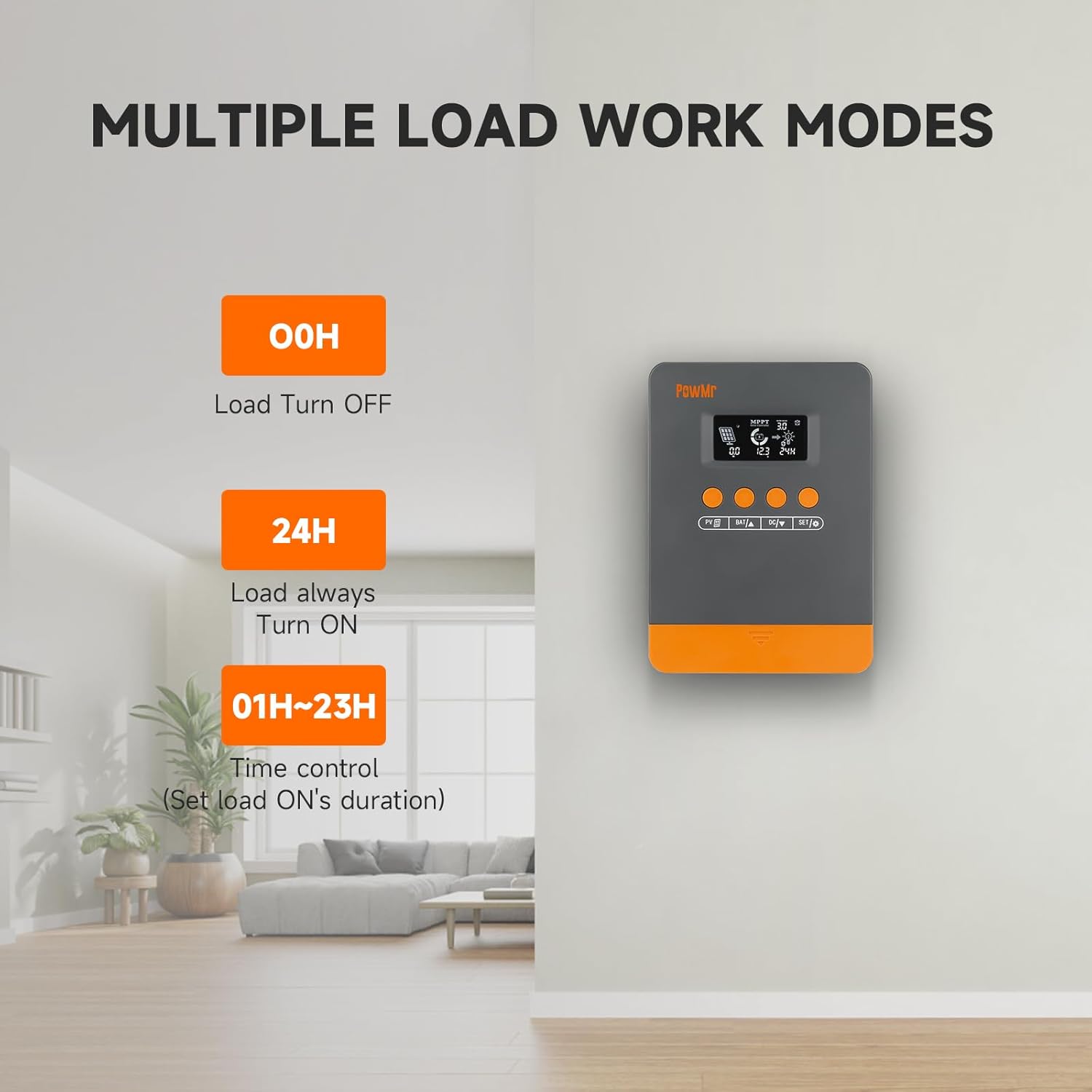
Figure 7: Load Work Modes. This image illustrates the different operational modes for the DC load output, including always off, always on, and time-controlled duration.
4.4. Calibrating Battery Voltage
જો બેટરી વોલ્યુમ વચ્ચે વિસંગતતા હોયtage monitored by the controller and a multimeter reading, you can calibrate the controller's voltage:
- લાંબા સમય સુધી દબાવો BAT/▲ key to enter the setting program.
- નો ઉપયોગ કરો BAT/▲ અને ડીસી/▼ મૂલ્યને સમાયોજિત કરવા માટે કીઓ.
- દબાવો SET/⚙ સાચવવા અને પુષ્ટિ કરવા માટે કી.

આકૃતિ 8: બેટરી વોલ્યુમtage Calibration. This image shows the controller's display during the battery voltage calibration process, allowing users to adjust the displayed voltage to match an external measurement.
5. જાળવણી
Regular maintenance ensures optimal performance and longevity of your solar charge controller and system.
- કનેક્શન્સ તપાસો: Periodically check all wiring connections for tightness and corrosion. Loose connections can lead to power loss or damage.
- Clean Controller: Keep the controller clean and free from dust and debris. Use a dry cloth for cleaning. Ensure ventilation openings are not obstructed.
- બેટરી તપાસ: Regularly inspect your batteries for signs of damage, leakage, or swelling. Ensure battery terminals are clean.
- સોલર પેનલ સફાઈ: Clean solar panels periodically to remove dirt, dust, or snow that may reduce efficiency.
- મોનિટર પ્રદર્શન: Observe the controller's display for any unusual readings or error codes.
6. મુશ્કેલીનિવારણ
This section provides guidance for common issues and their solutions. Refer to the LCD screen for specific error codes.
6.1. Error Codes and Solutions
| ફોલ્ટ કોડ | કારણ | ઉકેલ |
|---|---|---|
| 18 | ઇનપુટ ફોટોવોલ્ટેઇક વોલ્યુમtage ખૂબ ઓછું | ફોટોવોલ્ટેઇક ઇનપુટ વોલ્યુમ વધારવા માટે સૌર પેનલ્સની સંખ્યા વધારો અથવા તેમને શ્રેણીમાં જોડો.tage. |
| 60 | અતિશય તાપમાન રક્ષણ | સામાન્ય ચાર્જિંગ અને ડિસ્ચાર્જિંગ ફરી શરૂ કરવા માટે સાધનોને રિકવરી તાપમાનથી નીચે ઠંડુ થવા દો. |
| 63 | બેટરી વોલ્યુમtage ખૂબ ઊંચી | ખાતરી કરવા માટે માપો જો બેટરી વોલ્યુમtage રેટેડ વોલ્યુમ કરતાં વધી જાય છેtage and disconnect photovoltaic array circuit breaker. |
| 65 | બેટરી વોલ્યુમtage ખૂબ ઓછું | વોલ્યુમ સુધી બેટરી ચાર્જ કરોtage અંડરવોલ કરતાં વધી જાય છેtage recovery point. Refer to "3.7 Default/Parameters for Different Battery Types" for specific details. |
| 71 | ઇનપુટ ફોટોવોલ્ટેઇક વોલ્યુમtage ખૂબ ઊંચી | ફોટોવોલ્ટેઇક ઇનપુટ ઘટાડવા માટે કંટ્રોલર સાથે જોડાયેલા ફોટોવોલ્ટેઇક એરેની સંખ્યા ઘટાડો, અથવા વોલ્યુમ ઘટાડવા માટે શ્રેણી અને સમાંતર જોડાણોને સમાયોજિત કરો.tage અથવા વર્તમાન મૂલ્યો. |
| 73 | ઓવરચાર્જિંગ કરંટ | કુલ લોડ કંટ્રોલર અને બેટરીની રેટેડ મર્યાદામાં રહે તે સુનિશ્ચિત કરવા માટે આઉટપુટ ટર્મિનલ લોડ ઘટાડો. |
| 72 | ઓવરડિસ્ચાર્જિંગ કરંટ | કુલ લોડ કંટ્રોલર અને બેટરીની રેટેડ મર્યાદામાં રહે તે સુનિશ્ચિત કરવા માટે આઉટપુટ ટર્મિનલ લોડ ઘટાડો. |
૫.૪. સામાન્ય મુશ્કેલીનિવારણ ટિપ્સ
- ડિસ્પ્લે/પાવર નહીં: Check battery connections and ensure the battery has sufficient charge. Verify polarity.
- બેટરી ચાર્જ થતી નથી:
- Ensure solar panels are connected correctly and receiving adequate sunlight.
- સૌર પેનલ વોલ્યુમ તપાસોtage અને વર્તમાન.
- Verify battery type settings on the controller.
- લોડ કામ કરી રહ્યું નથી:
- Check load connections and ensure the load is within the controller's rated capacity.
- Verify the load work mode setting (00H, 24H, or time control).
- ખાતરી કરો કે બેટરી પર્યાપ્ત ચાર્જ છે.
- અચોક્કસ વાંચન: Calibrate battery voltage વિભાગ 4.4 માં વર્ણવ્યા મુજબ.
7. સ્પષ્ટીકરણો
| લક્ષણ | વિગત |
|---|---|
| મોડલ | M25A-12V/24V (POW-M25-PRO) |
| બ્રાન્ડ | PowMr |
| સિસ્ટમ વોલ્યુમtage | 12V / 24V ઓટો |
| Max. PV Input Power (12V System) | 300W |
| Max. PV Input Power (24V System) | 600W |
| મહત્તમ પીવી ઓપન-સર્કિટ વોલ્યુમtage | <60V |
| રેટ કરેલ ચાર્જ વર્તમાન | 25A |
| ટ્રેકિંગ કાર્યક્ષમતા | 98% સુધી |
| Peak Conversion Efficiency | 97% સુધી |
| સપોર્ટેડ બેટરી પ્રકારો | Sealed, Gel, Flooded, Lithium (LFP), User-defined |
| ઉત્પાદનના પરિમાણો (L x W x H) | ૭૦.૫" x ૨૪.૫" x ૬૦.૫" (૧૭૯ સેમી x ૬૨ સેમી x ૧૫૪ સેમી) |
| વસ્તુનું વજન | 1.1 પાઉન્ડ (500 ગ્રામ) |
| તારીખ પ્રથમ ઉપલબ્ધ | સપ્ટેમ્બર 3, 2024 |

Figure 9: System Wiring and Model Specifications. This image provides a detailed schematic for connecting solar panels, battery, and load, alongside a table outlining specifications for various PowMr MPPT controller models, including the M25A-12V/24V.
8. વોરંટી અને સપોર્ટ
For warranty information and technical support, please refer to the official PowMr webસાઇટ પર જાઓ અથવા તેમની ગ્રાહક સેવાનો સીધો સંપર્ક કરો. વોરંટી દાવાઓ માટે તમારી ખરીદી રસીદ રાખો.


